By Nicole Musiime
November 24th, 2026
Being a teenager today is not as easy as many adults imagine. Behind the smiles, laughter and carefully curated pictures on social media are young people navigating struggles that often go unnoticed. Some are battling anxiety, loneliness, sadness, addiction and the pressure to meet expectations they sometimes do not understand themselves.
Yet, society often treats teenage life as a period of carefree living, forgetting that adolescence comes with its own emotional, social and psychological challenges. Parents expect good grades, teachers demand academic excellence, and society constantly reminds young people that their future depends on what they achieve today. When a teenager performs poorly in school, the response is often criticism rather than understanding. Questions such as, "Why can't you be like your friend?" or "What will become of you?" can leave lasting emotional scars.
The truth is that not every teenager who struggles academically is lazy or irresponsible. Some are dealing with family conflict, financial difficulties, bullying, abuse or mental health challenges that affect their ability to concentrate and perform. Instead of rushing to judge them, adults need to understand what might be happening beyond the classroom.
Social media has made these struggles even more complicated. Every day, teenagers are exposed to images of people who appear happier, more attractive and more successful. It is easy to begin questioning one's appearance, achievements and worth. A young girl may wonder why she does not look like the influencer she follows, while another may feel unsuccessful because her peers seem to have better lives. What many fail to recognise is that social media rarely presents the whole story. It showcases carefully selected moments, not the disappointments, insecurities and struggles behind them. Comparing an ordinary life to someone else's edited reality can create unrealistic expectations and unnecessary pressure.
Perhaps one of the most overlooked challenges of teenage life is loneliness. A teenager can have hundreds of followers, attend school every day and live in a house full of people yet feel completely alone. Many young people do not necessarily need adults to solve all their problems. Sometimes, they simply need someone willing to listen without interrupting, judging or dismissing their feelings. Unfortunately, the fear of being labelled weak, dramatic or attention-seeking often keeps them silent. That silence can make already difficult experiences even harder to navigate.
The same applies to relationships and heartbreak. Adults sometimes dismiss teenage relationships as puppy love, but the emotions young people experience are real. A first heartbreak can be painful, and rejection can affect a teenager's confidence and sense of self-worth. Rather than ridiculing young people for their feelings, adults should guide them through these experiences and help them understand that their value is not determined by who chooses to love them.
The desire to belong can also expose teenagers to unhealthy influences. Many young people struggle with the fear of being different or excluded. In an attempt to gain acceptance, some engage in drinking, risky sexual behaviour or other activities they would otherwise avoid. They may change their personalities, compromise their values or hide parts of themselves just to fit in. This is why teenagers need positive friendships and supportive environments where they can express themselves without feeling pressured to become someone else.
Boys, too, are often left out of conversations about emotional wellbeing. From an early age, many are taught that men should not cry, complain or show vulnerability. They grow up believing that expressing sadness is a sign of weakness and that asking for help somehow makes them less masculine. As a result, a boy struggling emotionally may simply say, "I'm fine," even when he is not. We need to challenge these expectations and recognise that boys have feelings too. They deserve safe spaces to talk about their struggles without shame or ridicule.
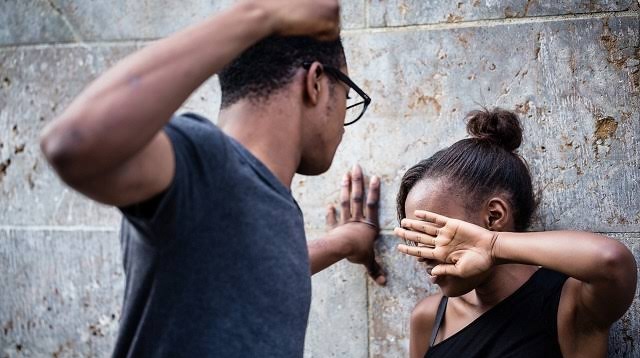
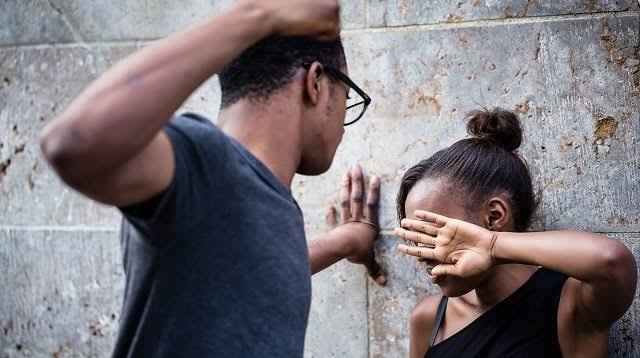
For some teenagers, the greatest challenges begin at home. While parents may believe that providing food, shelter and education is enough, young people also need emotional security. Parental conflict, neglect, financial difficulties, abuse, trauma and unrealistic expectations can deeply affect their wellbeing. Home should be a place where teenagers feel protected, understood and accepted. When it becomes a source of fear or emotional distress, young people may have nowhere they feel safe enough to turn.
It is time we stopped dismissing every teenage struggle as teenage drama. Adolescence is a period of learning and making mistakes, but that does not make the pain experienced during those years any less real. A teenager who becomes withdrawn, loses interest in activities, experiences sudden changes in behaviour or repeatedly says they are not okay may be communicating distress that they cannot fully explain. Such signs deserve attention, not punishment or ridicule.
Parents, teachers and communities have a responsibility to create environments where teenagers can speak openly about their experiences. Schools should take mental health seriously, parents should make time for meaningful conversations, and communities should provide safe spaces where young people can seek guidance and support. Most importantly, adults need to learn to listen without immediately turning every conversation into a lecture.
Teenagers do not need a perfect world. They need room to grow, make mistakes, learn from their experiences and discover who they are. They need adults who guide rather than condemn, friendships that encourage rather than pressure them, and reassurance that their present circumstances do not determine their entire future.
Behind every teenager is a story that may never be told. Some carry dreams, others carry fears, and many are dealing with experiences they do not yet have the words to explain. Before judging a teenager for their behaviour, academic performance or choices, perhaps we should ask ourselves what they might be going through that we do not know about.
Sometimes, the most important thing an adult can do is ask a teenager, "Are you really okay?" and be willing to listen to the answer.
Teenagers should not have to navigate an increasingly complicated world alone. They deserve understanding, patience, guidance and the freedom to experience adolescence without constantly feeling that they must prove their worth. After all, being a teenager should be about growing into adulthood, not silently surviving it.

Nicole Musiime
Nicole Musiime is passionate about women’s health and wellbeing, with a particular interest in advancing conversations around mental health, sexual and reproductive health.