By Sharon Kyatusiimire
November 25th, 2026
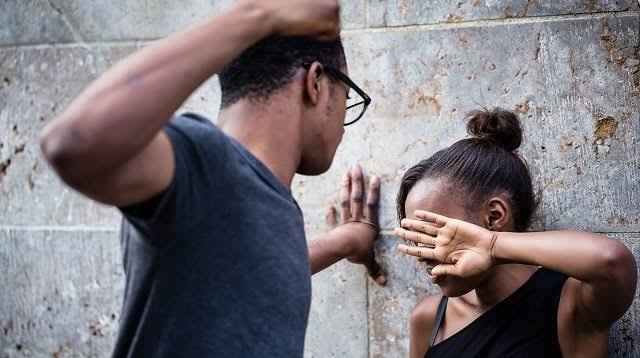
As the world marks the beginning of 16 Days of Activism Against Gender-Based Violence, we must confront an uncomfortable truth: violence is not always visible, does not always leave bruises and can happen to anyone, anywhere. Ending it requires protecting survivors, demanding accountability and ensuring perpetrators do not escape justice.
I grew up in a home where domestic violence was part of our reality. As a child, I saw how violence could turn a place meant to offer love, protection and security into one of fear, uncertainty and pain.
Growing up has made me understand that domestic violence affects more than the person being physically assaulted. It affects everyone who witnesses it, particularly children who may carry those experiences into adulthood, influencing how they understand love, trust and relationships.
My experience has taught me that gender-based violence is not an abstract social problem discussed during campaigns and conferences. It is personal. It lives in our homes, workplaces, communities and everyday interactions we sometimes dismiss as normal.
When we speak about gender-based violence, physical assault is often the first thing that comes to mind. But violence goes beyond visible injuries. It includes emotional abuse, humiliation, intimidation, psychological manipulation, economic control, sexual harassment, rape and digital violence, including cyberstalking, threats and the non-consensual sharing of intimate images. Sometimes, victims do not even recognise that what they are experiencing is abuse.
To me, the worst kind is in our homes.The home, which should be the safest place, is often where some of the most difficult forms of violence occur.
Domestic violence is not limited to physical fights between partners. It can involve controlling what someone wears, who they speak to, where they go and how they spend their money. It can be constant humiliation, threats, financial deprivation or intimidation that keeps someone silent.
Children are also victims when they witness violence at home. Even when they are not physically assaulted, growing up in an environment characterised by fear and aggression can have lasting emotional and psychological consequences.
Protecting survivors must therefore include recognising those who experience the invisible consequences of abuse, including children. Survivors need safe environments where they can speak without fear of judgement, retaliation or blame.
Gender-based violence also happens in professional environments. It occurs when supervisors demand sexual favours in exchange for employment or career advancement, when colleagues make inappropriate comments about someone's body or when employees are intimidated into silence after reporting harassment.
Victims may remain silent because they fear losing their jobs or damaging their professional reputations.
This is where the campaign's call to end impunity becomes important. Organisations must move beyond having anti-harassment policies on paper. They need safe reporting mechanisms, protection against retaliation and fair investigations, regardless of the accused person's position or influence.No one should have to choose between their dignity and their livelihood.
Our public spaces must be safe too
Gender-based violence follows people into public spaces, including public transport, markets, schools, universities and streets. It can take the form of unwanted touching, sexual comments, stalking, intimidation and assault.
Digital spaces have also become platforms for abuse, where women and girls are threatened, sexually harassed, blackmailed and humiliated.
No one should have to negotiate their right to exist in public spaces in exchange for their safety. Nor should responsibility for preventing violence be placed on potential victims by telling them how to dress or where to go.
For many survivors, speaking out does not guarantee justice. Some are discouraged from reporting because of family pressure, financial dependence or fear of retaliation. Others face victim-blaming, delayed investigations and humiliating treatment.
In some communities, survivors are encouraged to settle cases privately to protect family reputations, while perpetrators sometimes use their financial resources and social standing to avoid accountability.
This is why this year's 16 Days of Activism theme, “UNiTE to End Violence Against Women and Girls: Ensure Justice, Protect Survivors, End Impunity,” is particularly important.
Justice must mean more than having laws on paper. Survivors must be able to access police services, legal assistance, medical care and psychosocial support. Complaints must be taken seriously, investigations conducted professionally and perpetrators held accountable.
We must also change how we respond to survivors. Instead of asking why they stayed or what they did to provoke the violence, we should ask what support they need.
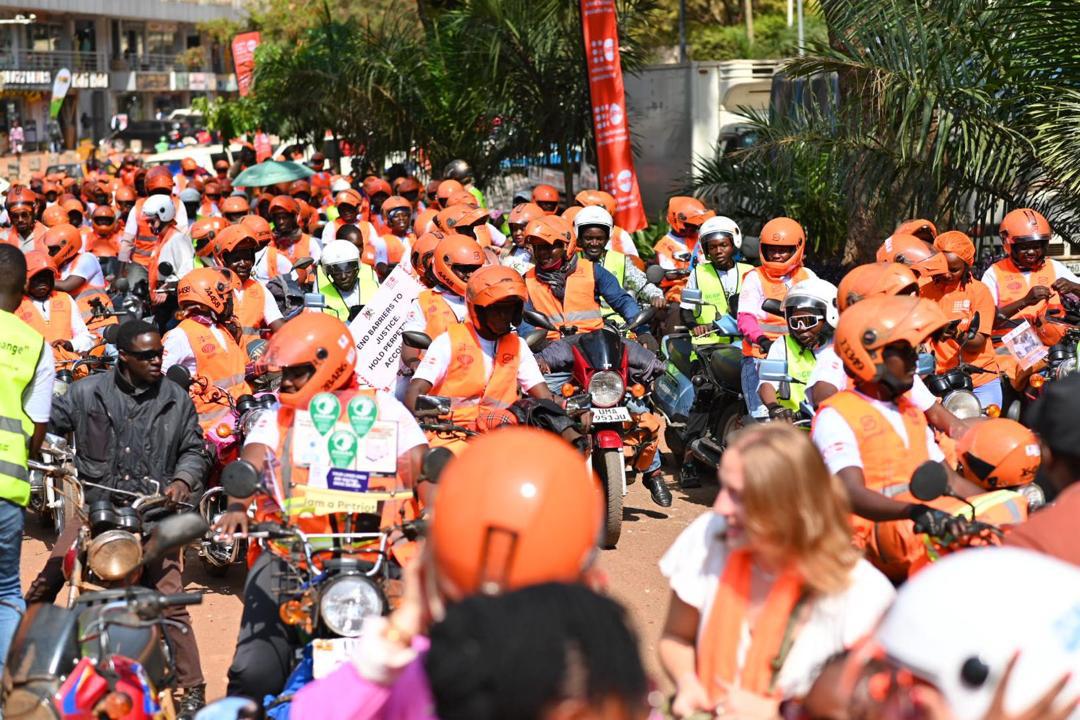
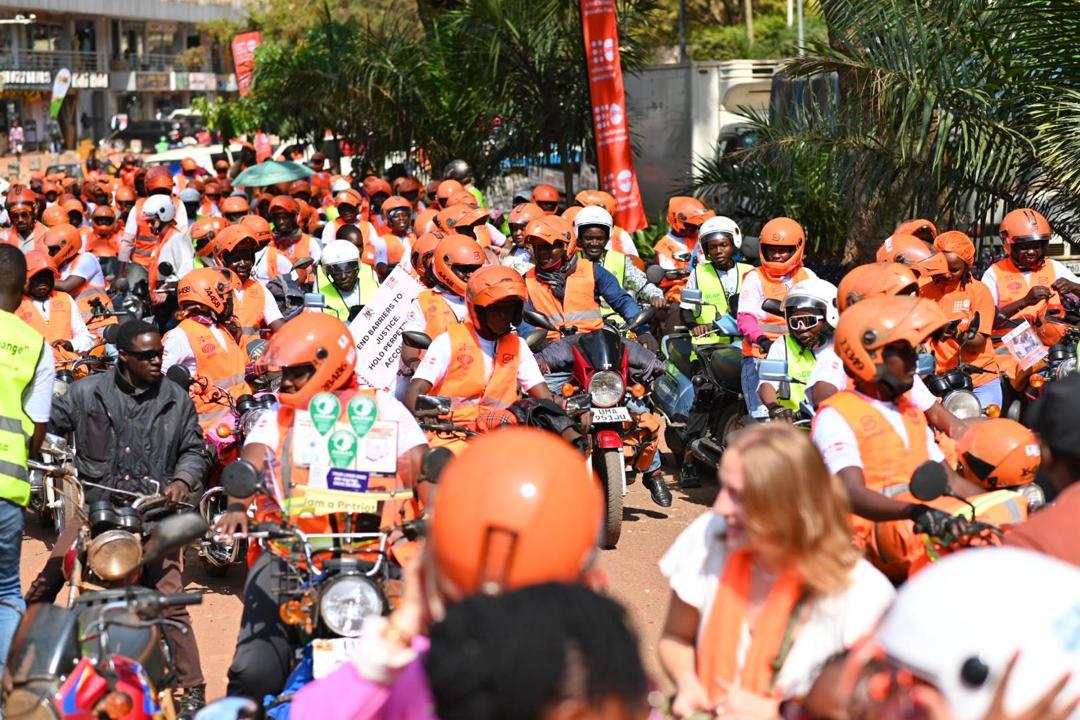
As we mark these 16 days, we must look beyond hashtags, orange-themed graphics and awareness events. Awareness alone is not enough.
Ending gender-based violence cannot be left to women, survivors and advocacy organisations. Men and boys, parents, teachers, employers, religious leaders, policymakers and law enforcement agencies all have a responsibility.
I share my childhood experience because I understand what it means to grow up witnessing violence and carrying questions that a child should never have to ask. I also know that many people are living through experiences they have not found the courage or safety to speak about.
We may not all have the same experiences, but none of us is completely removed from the possibility or consequences of gender-based violence.
Gender-based violence is not a private family matter or a workplace misunderstanding. It is a violation of human dignity and human rights.
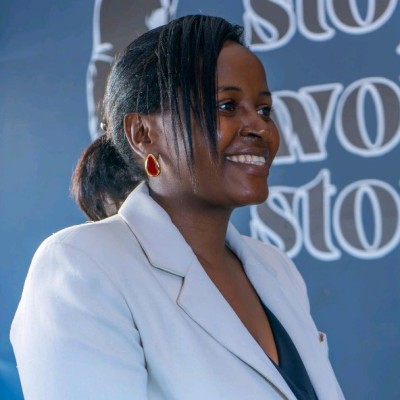
Sharon Kyatusiimire
Co-Founder & Executive Director, She-Voice Uganda. Gender Responsive Reporting and Communication Trainer, Journalist, Public Relations specialist, Content Developer, Women Empowerment Activist.