By Sharon Kyatusiimire
March 30th, 2026
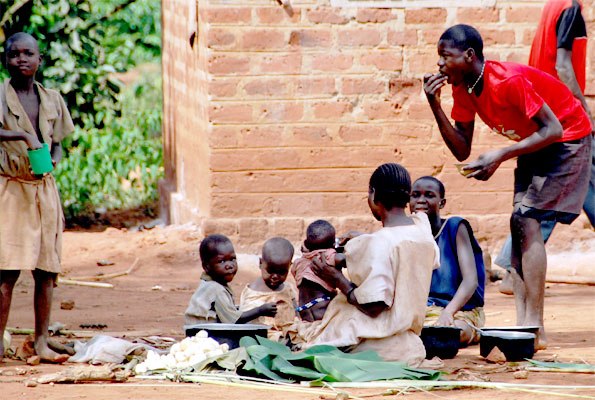
Female-headed households in Uganda continue to face higher levels of multidimensional poverty compared to their male counterparts, according to the latest report released by the Uganda Bureau of Statistics (UBOS).
The findings, drawn from the fifth monograph on the Multidimensional Poverty Index (MPI), show that 29 percent of female-headed households are poor, compared to 26 percent of male-headed households, highlighting persistent gender disparities in access to basic services and opportunities.
The Multidimensional Poverty Index goes beyond income to assess deprivation across health, education, and living standards. The report reveals that 27 out of every 100 Ugandans experience multidimensional poverty, but women, particularly those heading households, face a heavier burden.
UBOS statistician Elemia Muhandogwa noted that lack of health insurance remains the single largest contributor to poverty, affecting 53 percent of Ugandans, followed closely by deprivation in clean cooking fuel and technology at 52 percent. These challenges disproportionately affect women, who are often primary caregivers and responsible for household welfare.
Rural Areas Suffer Hardest Hit
The report highlights a significant rural-urban divide, with poverty levels standing at 32 percent in rural areas, compared to 19 percent in urban centres.
In rural communities, where many female-headed households are concentrated, deprivation is more severe:
Muhandogwa emphasized that these conditions intensify the challenges faced by women, particularly in accessing healthcare and maintaining safe living conditions for their families.
Education Remains a Key Factor
Education levels continue to play a critical role in determining poverty outcomes. According to the report, households led by individuals with no formal education record the highest poverty levels at 44 percent, with poverty decreasing as education levels improve.
This trend has significant implications for women, who historically face barriers to education, especially in rural areas.
Regional Disparities Persist
The report also highlights stark regional inequalities, with Karamoja recording the highest poverty levels at 57 percent, followed by West Nile at 39 percent, while Kampala has the lowest levels.
Experts note that women in high-poverty regions are particularly vulnerable due to limited access to economic opportunities and essential services.
Despite these disparities, Uganda has made notable progress in reducing income poverty, which has declined from 56 percent in 1992/93 to 16.1 percent in 2023/24. However, the Minister of State for Finance, Planning and Economic Development, Amos Lugoloobi, cautioned that poverty remains complex and multidimensional.
“While income poverty has significantly declined, poverty cannot be addressed through income growth alone,” he said.
The report indicates that 45 percent of Ugandans lack access to improved sanitation, while 54 percent remain deprived of clean cooking technologies, underscoring ongoing challenges in living standards.
Stakeholders are now calling for targeted interventions that address the specific vulnerabilities of women, particularly those heading households.
Lugoloobi emphasized the need for stronger collaboration between government, the private sector, and development partners to tackle poverty in all its dimensions.
“Uganda now has stronger and more reliable data to guide development planning than ever before,” he noted, adding that the focus must now shift to effectively using this data to design inclusive policies.
Sharon Kyatusiimire
Co-Founder & Executive Director, She-Voice Uganda. Gender Responsive Reporting and Communication Trainer, Journalist, Public Relations specialist, Content Developer, Women Empowerment Activist.