By Sharon Kyatusiimire
April 17th, 2026
The Government of Iceland and the United Nations Population Fund (UNFPA) have signed a USD 3 million (approximately UGX 11 billion) agreement to support efforts to eliminate obstetric fistula in Uganda under the Strengthening Adolescents and Youth Empowerment and Rights (SAY Plus+) Programme.
The programme, led by Uganda’s Ministry of Health with UNFPA serving as the managing and technical agency, is designed to improve the health and rights of vulnerable women, adolescents, and young people across the country.
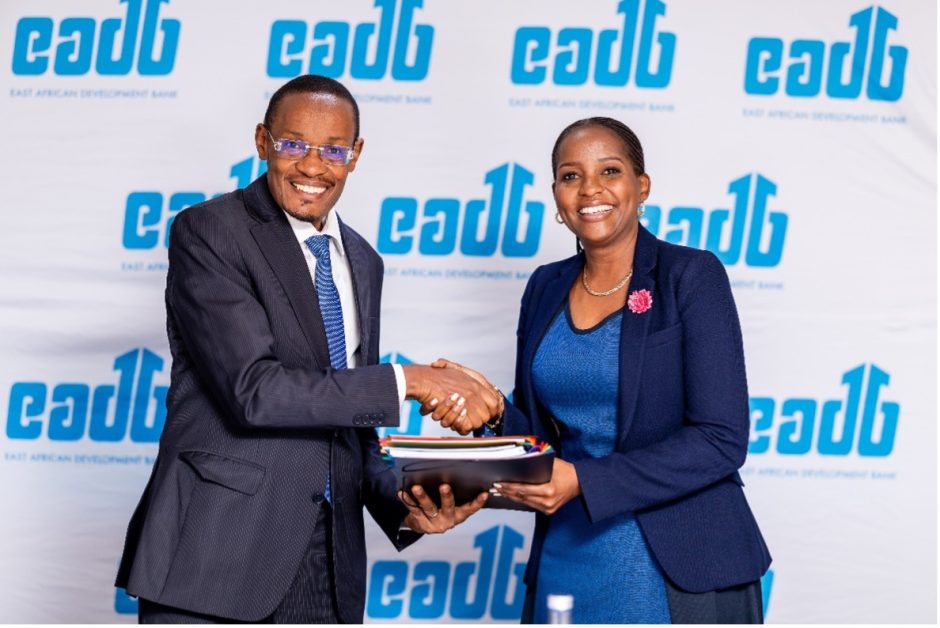
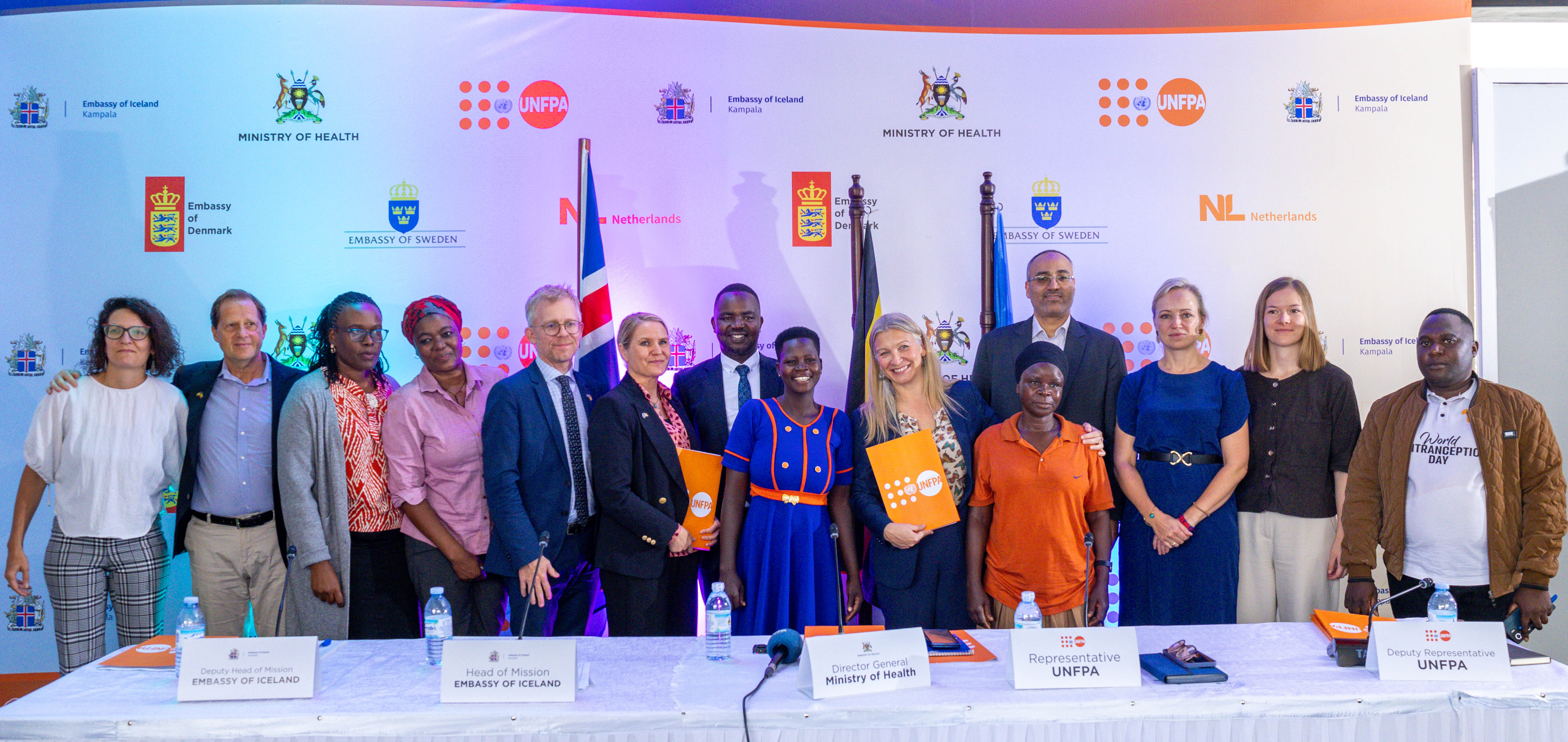
The agreement was signed at the UNFPA Uganda office, with Iceland’s Head of Mission, Hildigunnur Engilbertsdóttir, representing her government, while UNFPA Representative in Uganda, Kristine Blokhus, signed on behalf of the UN agency. The ceremony was witnessed by Ministry of Health officials and members of the Health Development Partners group.
Speaking at the signing ceremony, UNFPA Representative, Blokhus, described the SAY Plus+ Programme as a flagship initiative that brings together development partners to deliver more coordinated and cost-effective interventions. She highlighted Iceland’s longstanding commitment to advancing gender equality and supporting the rights of women and girls.
"The main aim of this project is to ensure that young people have access to the health services that they need. Fistula is a devastating health issue that affects dignity , social inclusion and quality of life. With this program, we are restoring dignity and ensuring that these women are rehabilitated into their communities and also become productive members of the society," she said.
The SAY Plus+ Programme will focus on underserved regions including Acholi, West Nile, Bukedi, Karamoja, and Busoga. Iceland’s funding is expected to support a more comprehensive, rights-based approach to healthcare, shifting from short-term interventions to strengthening long-term and sustainable health systems.
With this contribution, Iceland joins Denmark and Sweden in a multi-donor framework aimed at improving coordination, scalability, and sustainability of sexual and reproductive health and rights interventions in Uganda. The pooled financing model is expected to enhance government ownership while streamlining service delivery across regions.
A key component of the funding will go toward addressing obstetric fistula, a debilitating childbirth injury caused by prolonged and obstructed labour without timely medical intervention. The condition leaves women with chronic incontinence and often leads to severe health complications, social isolation, and deepened poverty.
Through the programme, efforts will be made to strengthen prevention, early detection, referral systems, and timely surgical repair, alongside supporting the social reintegration of survivors. The goal is to ensure that affected women are able to regain their health, dignity, and economic independence.
The iceland representative, Hildigunnur Engilbertsdóttir noted that fistula reflects broader gaps within healthcare systems and remains both a human rights and gender equality issue. She emphasized Iceland’s continued commitment to supporting prevention, treatment, and reintegration efforts, particularly in underserved communities.
"For example, I have never heard of a fistula case in Iceland and that is because the government of Iceland has put much emphasis of gender equality, a good health care system and access to family planning services, and that is the same angle that the Uganda is taking, so we hope to see zero cases of fistula in the coming years," she said.
Beyond fistula care, the programme will expand access to sexuality education and economic empowerment initiatives, while working with community leaders to challenge harmful gender norms and reduce stigma surrounding fistula and gender-based violence. It will also strengthen integrated services in sexual and reproductive health, HIV care, and gender-based violence response across all levels of the healthcare system.
Richard Mugahi, Commissioner Reproductive and Children Health, who represented the Ugandan government under the Ministry of Health reiterated the Ministry's commitment to ensure access to better health services for all ugandans, specifically it's focus on reducing challenges related to reproductive health.
"I want to commend UNFPA for its efforts in bringing together the different partners under one big collaborative project. We need one plan, one budget to work together collaboratively. We are very intentionally about preventing fistula completely or at least reducing it to the lowest rates," he said.
Akumu Winnie, a 28 year old woman from Namayuga who is a beneficiary of the project praised the efforts of UNFPA in restoring her dignity and quality of life after years of suffering with fistula.
I am now well and able to freely do my job work, take care of my family and live a fulfilling life. I want to thank the sponsors for the opportunity they gave me " she said.
The Ministry of Health will oversee implementation of the programme, with UNFPA providing technical leadership.
The initiative contributes to Uganda’s Human Capital Development goals under the National Development Plan IV and aligns with global commitments under the Sustainable Development Goals, particularly those focused on health, gender equality, and reducing inequalities.
Sharon Kyatusiimire
Co-Founder & Executive Director, She-Voice Uganda. Gender Responsive Reporting and Communication Trainer, Journalist, Public Relations specialist, Content Developer, Women Empowerment Activist.